 Est. 1537 · For everyone who stays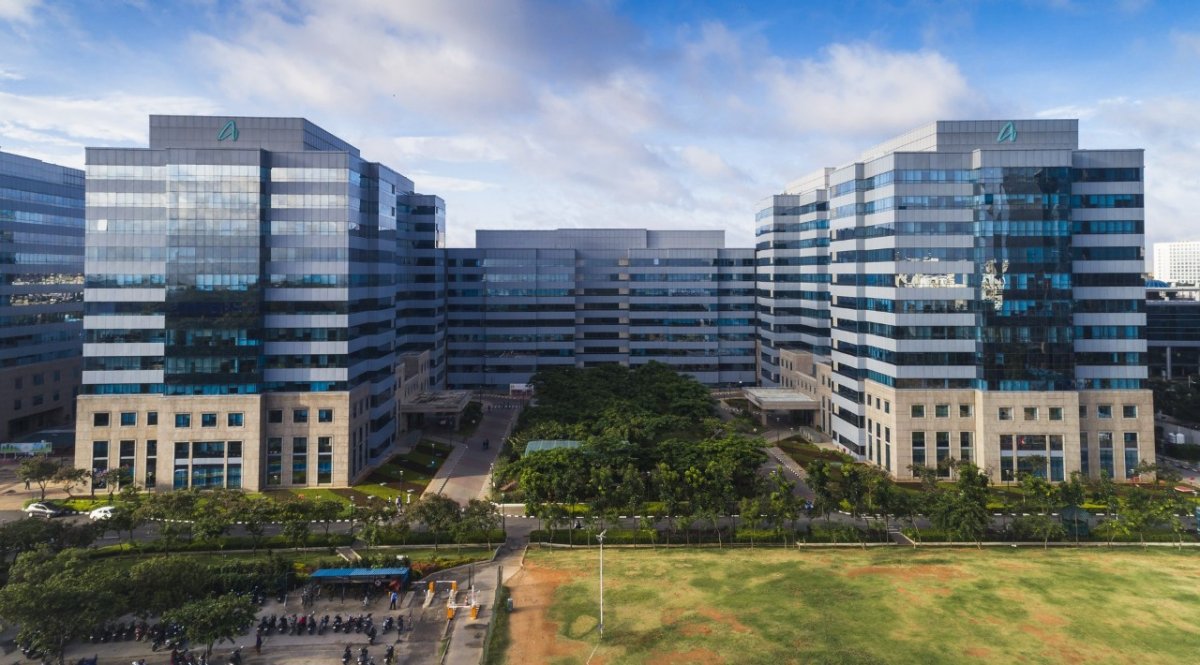
ವೈಟ್ಫೀಲ್ಡ್
Whitefield.
From Anglo-Indian settlement to tech corridor — Bengaluru's longest reinvention story.
How it got its nameಇತಿಹಾಸ
Whitefield begins in 1882 as a settlement for Bengaluru's Anglo-Indian community, named after its founder David Emmanuel Starkenburgh White — president of the Eurasian and Anglo-Indian Association — who secured 3,900 acres from Maharaja Chamaraja Wodeyar X. Planned in a concentric circular layout around a central Village Green, it was a deliberate experiment in cooperative town planning — quiet cottages, a railway station for KGF commuters, and a tight-knit community that remained largely unchanged for over a century.
The transformation arrives with the IT boom of the late 1990s. ITPL and EPIP redraw the neighbourhood almost overnight, pulling global companies, apartment towers and international schools into what had once been semi-rural land. Whitefield slowly becomes its own self-contained city — one where office cafeterias operate across time zones, breweries fill up on Thursday evenings, and entire residential communities revolve around tech-park traffic patterns.
Yet fragments of old Whitefield still survive behind the glass towers. The 1886 Memorial Church, small Anglo-Indian bakeries and quieter lanes around Kadugodi continue to hint at the settlement that existed before the flyovers and corporate campuses arrived.